|
Thân Trọng Sơn
THANH TÂM TUYỀN
( 1936 - 2006 )
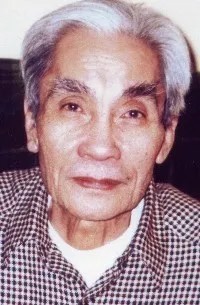

Thanh Tâm Tuyền là một nhà
thơ, nhà văn nổi tiếng, được biết đến với những cách tân thơ ca táo bạo.
Năm 1956, lúc tròn 20 tuổi, ông đã nổi tiếng với tập thơ Tôi không còn
cô độc, và năm 1957, lúc 21 tuổi, với tiểu thuyết Bếp lửa (viết năm
1954) "mô tả khung cảnh Hà Nội trước 1954, với những người ra đi cũng
như những người ở lại, cả hai đều bị giằng co bởi những chọn lựa miễn
cưỡng, sự chia ly hay cái chết." Thanh Tâm Tuyền có ảnh hưởng lớn trên
văn học giai đoạn 1956-1975 và cả những năm về sau này.Bút hiệu khác: Đỗ
Thạch Liên.
Thanh Tâm Tuyền sinh ngày 13 tháng 3 năm 1936 tại Vinh, tên thật là Dzư
Văn Tâm. Tuy nhiên, theo bạn văn Văn Quang cho biết, ông sinh vào năm
1934.
Năm 1952 (16 tuổi), ông dạy học tại trường Minh
Tân (Hà Đông) và đăng những truyện ngắn đầu tiên trên tuần báo Thanh
Niên (Hà Nội).
Năm 1954, ông hoạt động trong Tổng hội Sinh viên Hà Nội, cùng với Trần
Thanh Hiệp, Nguyễn Sỹ Tế, Doãn Quốc Sỹ , chủ trương nguyệt san Lửa Việt.
Năm 1955, ông vào Sài Gòn, cùng các bạn làm làm tờ Dân Chủ mà Thanh Tâm
Tuyền và Trần Thanh Hiệp phụ trách phần văn nghệ. Mai Thảo gửi đến đoản
văn "Đêm giã từ Hà Nội". Thanh Tâm Tuyền "kinh ngạc", mời tác giả đến
toà soạn. Từ đó, "nhóm"' có thêm Mai Thảo, chủ trương tuần báo Người
Việt (tiền thân của tờ Sáng Tạo), với sự cộng tác của Lữ Hồ, Ngọc Dũng,
Duy Thanh, Quách Thoại.
Tháng 10 năm 1956, Sáng Tạo ra đời. Từ 1956 đến 1960, Mai Thảo làm chủ
bút. Năm 1956, hai mươi tuổi, Thanh Tâm Tuyền cho in cuốn sách đầu tay
Tôi không còn cô độc (thơ), và năm sau Bếp lửa (văn, 1957), hai tác phẩm
đánh dấu sự thay đổi diên mạo văn học miền Nam, đến thời đó vẫn còn chịu
ảnh hưởng nặng nề của lãng mạn tiền chiến.
Sang định cư tại Hoa Kỳ từ tháng 4 năm 1990 theo diện HO, sống ở tiểu
bang Minnesota, Hoa Kỳ, giữ thái độ gần như ẩn dật.
Thanh Tâm Tuyền mất hồi 11 giờ 30 ngày 22 tháng 03 năm 2006, khi mới
bước vào tuổi 70.
Một số thơ của ông đã được Phạm Đình Chương và Cung Tiến phổ thành những
nhạc phẩm rất nổi tiếng như: Bài ngợi ca tình yêu, Dạ tâm khúc, Đêm màu
hồng, Lệ đá xanh, Nửa hồn thương đau.
Một năm sau ngày mất, cho dù các tác phẩm của Thanh Tâm Tuyền chưa được
xuất hiện chính thức ở trong nước, nhưng một điều vui là tên tuổi và một
vài thi phẩm của ông đã được giới thiệu trang trọng và ấn tượng trên
“cây thơ” tại sân nhà Thái học (Văn Miếu, Hà Nội), trong Ngày Thơ Việt
Nam lần V (ngày Nguyên tiêu 15 tháng Giêng Đinh Hợi, tức 3-3-2007), với
lời dẫn của nhà thơ Phan Huyền Thư và thiết kế mỹ thuật của kiến trúc sư
Nguyễn Trương Quý. Như thế, vượt qua mọi rào cản của ý thức hệ, chính
kiến, thời gian và không gian, giới trẻ yêu thơ đã không quên ông!
Thanh Tâm Tuyền là một tác gia chính yếu đã làm mới nền văn học Miền
Nam, trước 1975, và góp phần tạo nên một khúc ngoặt cho văn học Việt Nam
nói chung trong nửa sau thế kỷ 20. Ông đã làm mới câu thơ, bài thơ, ý
thơ và quan niệm thi ca Việt Nam. Ông cũng làm mới câu văn xuôi, cách kể
chuyện bắt đầu từ truyện Bếp lửa.
Ông du nhập nghệ thuật phương Tây bằng cách đọc trực tiếp, không kinh
qua trường học Pháp thuộc như các nhà văn, nhà thơ lớp trước. Ảnh hưởng
phương Tây do đó có tính cách trực tiếp, tự do và sáng tạo. Ngược lại,
ông có khả năng thiết lập quan hệ hữu cơ và mật thiết giữa các bộ môn
văn học và nghệ thuật: Thơ, Văn, Nhạc, Hoạ, như ở các nước phương Tây.
Về nội dung chính yếu, chất liệu trong thơ văn Thanh Tâm Tuyền là ý thức
thất bại. Thất bại của con người trước định mệnh nói chung, cụ thể là sự
bất lực của giai cấp trí thức tiểu tư sản Việt Nam trước thời cuộc. Viết
văn, làm thơ, làm nghệ thuật nói chung, là cố gắng vượt qua sự thất bại
đó, biến nó thành nghệ thuật.
Thanh Tâm Tuyền là người sâu sắc, uyên bác, tài hoa, nghiêm túc, tư cách
và tiết tháo.
Giới văn học đánh giá nhà thơ Thanh Tâm Tuyền rất cao về tính đổi mới,
cá tính, và chiều sâu triết lý — nhất là ở mảng thơ ca hiện đại trong
văn học Việt Nam nửa sau thế kỷ XX, nhưng cũng có tranh luận về phong
cách và ảnh hưởng của ông.
Giới phê bình thường coi Thanh Tâm Tuyền là một khuôn mặt độc đáo, táo
bạo, tiên phong trong thơ Việt Nam hiện đại. Ông được xem như một trong
những người làm mới ngôn ngữ, hình ảnh và tư tưởng thơ trong văn học
miền Nam trước 1975 — tạo nên hướng thơ khác biệt so với truyền thống
lãng mạn và mô-típ cũ.
Nhiều nghiên cứu gần đây chỉ ra thơ ông chứa đựng một quan niệm nghệ
thuật “Dionysian” – tức là khai thác chiều kích bản năng, hỗn độn, bản
thể – khiến thơ vừa hấp dẫn vừa gây ám ảnh.
Các nhà nghiên cứu cũng đánh giá thơ ông khai mở phần sâu nhất của tâm
hồn, chỉ ra những mảng tối và bi kịch của nhân sinh mà lời thường không
dễ diễn đạt.
Thanh Tâm Tuyền gắn liền với tạp chí Sáng Tạo, nơi ông cùng các nhà văn
khác thúc đẩy trào lưu đổi mới thơ và văn xuôi tại miền Nam từ thập niên
1950–1960. Các nhà văn, nhà thơ sau này nhiều lần công nhận ông làm mới
thơ Việt bằng cách khai phóng ngôn ngữ và hình ảnh.
Lối thơ và văn của ông không theo khuôn mẫu cổ điển, từng khiến một số
người phê bình ban đầu coi ông “viết như điên, vô nghĩa hoặc lập dị”.
Nhưng nhìn chung, những phản ứng này cũng được xem là phản ánh sức mạnh
thử thách khuôn phép, và ngày nay nhiều học giả đánh giá đó là tính cách
sáng tạo, dám phá vỡ rào cản truyền thống.
Sau này, thơ và văn của Thanh Tâm Tuyền được nhiều công trình nghiên cứu
sâu sắc chú trọng, nhất là về tự do, bản thể, và nhận thức cá nhân, mở
ra góc nhìn mới về thơ miền Nam trước 1975. Ông được xem là một trong
những cây bút tiêu biểu cho tinh thần tự do nghệ thuật trong thời đại
của mình.
Tóm lại, Thanh Tâm Tuyền được giới phê bình đánh giá là nhà thơ hiện đại
hóa thơ Việt với phong cách độc đáo, đầy chiều sâu nội tâm và triết lý,
đồng thời là một trong những tiếng nói quan trọng nhất của văn học miền
Nam trước 1975 — dù phong cách đó từng gây tranh luận nhưng về lâu dài
được công nhận là có giá trị sáng tạo và ảnh hưởng sâu rộng.
Ngoài việc sáng tác, Ông còn dịch một số nhà thơ nước ngoài như Antonio
Machado, Juan Ramon Jimenet ( Tây Ban Nha ), dịch qua tiếng Pháp, Thôi
Hiệu ( Trung Quốc ), bài Hoàng hạc lâu.
Lầu Hoàng hạc.
Người xưa rong chim hạc đi khuất
Đất cũ để trơ lầu vắng không
Hoàng hạc thuở biệt rõi tuyệt dạng
Mây nghìn kiếp trắng mải bông lông
Tạnh quang cây bến lung linh nắng
Xanh ngát cỏ đồng thiêm thiếp hoang
Xế muộn làng quê nơi nào nhỉ?
Mặt sông khói quyện buồn lạ lùng.
Tác phẩm:
- Tôi không còn cô độc (thơ, 1956)
- Liên Đêm mặt trời tìm thấy (thơ, 1964)
- Bếp lửa (truyện, 1957)
- Khuôn mặt (truyện, 1964)
- Dọc đường (truyện, 1966)
- Ba chị em (truyện, 1967)
- Cát lầy (truyện, 1967)
- Mù khơi (truyện, 1970)
- Tiếng động (truyện, 1970)
- Tạp ghi (1970)
- Thơ ở đâu xa (thơ, 1990, Hoa Kỳ)
Sau đây là một số bài thơ của Ông, kèm theo bản dịch tiếng Pháp và tiếng
Anh:
LỆ ĐÁ XANH
tôi biết những người khóc lẻ loi
không nguôi một phút
những người khóc lệ không rơi ngoài tim mình
em biết không
lệ là những viên đá xanh
tim rũ rượi
đôi khi anh muốn tin
ngoài đời chỉ còn trời sao là đáng kể
mà bên những vì sao lấp lánh đôi mắt em
đến ngày cuối
đôi khi anh muốn tin
ngoài đời thơm phức những trái cây của thượng đế
mà bên những trái cây ngọt ngào đôi môi em
nguồn sữa mật khởi đầu
đôi khi anh muốn tin
ngoài đời đầy cỏ hoa tinh khiết
mà bên cỏ hoa quyến rũ cánh tay em
vòng ân ái
đôi khi anh muốn tin
ôi những người khóc lẻ loi một mình
đau đớn lệ là những viên đá xanh
tim rũ rượi.
LARMES DE PIERRE VERTE
Je connais ceux qui pleurent seuls
sans jamais de répit,
ceux dont les larmes ne tombent pas
hors de leur propre cœur.
Tu le sais, n’est-ce pas,
les larmes sont des pierres vertes,
et le cœur se défait.
Parfois je voudrais croire
que dans ce monde il ne reste
que les étoiles dignes d’importance,
et parmi les étoiles scintillent
tes yeux,
jusqu’au dernier jour.
Parfois je voudrais croire
que le monde exhale encore
les fruits parfumés de Dieu,
et parmi ces fruits sucrés
tes lèvres,
source première de lait et de miel.
Parfois je voudrais croire
que le monde est plein
d’herbes et de fleurs intactes,
et parmi ces herbes et ces fleurs
tes bras m’enlacent,
cercle d’étreinte.
Parfois je voudrais croire,
ô vous qui pleurez seuls,
dans la douleur —
les larmes sont des pierres vertes,
et le cœur se défait.
GREEN STONE TEARS
I know those who weep alone,
without a moment’s rest,
those whose tears never fall
beyond their own hearts.
You know it, don’t you—
tears are green stones,
and the heart collapses.
Sometimes I want to believe
that in this world
only the stars still matter,
and among the glittering stars
are your eyes,
until the final day.
Sometimes I want to believe
that the world still smells sweet
with God’s own fruits,
and among those gentle fruits
are your lips,
the first well of milk and honey.
Sometimes I want to believe
the world is filled
with pure grass and flowers,
and among the tempting blooms
your arms,
a circling embrace.
Sometimes I want to believe—
oh you who weep alone,
in pain—
that tears are green stones,
and the heart gives way.
HẢI ĐẢO
Trên biển mù sóng cuộn
Ngày lộng tuôn như máu loang khô
Sóng thảng thốt dập vùi hải đảo
Cửa ngàn trùng gió mở toang
Nâng niu máu rỉ cườm tay nhỏ
Thời khắc câm tiếng nỉ non
Hải đảo xa vời em
Trên miền non cao rừng rú
Gió gào giận khốn tù
Trong cõi mộng hung tàn
Một mùa đông dài bão táp
Đêm qua ác điểu đậu cành khuya
Thả rớt trái tim ác độc
Trong một tiếng tang thương
Đêm qua gió cắp mộng lên non trốn chạy
Rồi gió hú van
Trong hành lang tối ám giờ lâm tử
Hải đảo xa vời em
Trời chuyển màu chớp xé
Cánh chim bay cánh chim bay
Vào mùa hư không trôi nổi
Khi bóng đảo chìm.
ÎLE LOINTAINE
Sur la mer aveugle, les vagues se tordent,
Le jour venteux saigne, figé.
Les flots affolés broient l’île,
Les portes de l’infini claquent au vent.
On berce le sang perlé d’un poignet frêle,
L’instant muet du sanglot étouffé.
Île lointaine, toi,
Sur les hauts pays de forêts farouches,
Le vent hurle, colère captive,
Dans le rêve féroce.
Un hiver interminable de tempêtes.
La nuit passée, l’oiseau funeste
S’est posé sur la branche tardive,
Laissant choir un cœur mauvais
Dans un seul cri de deuil.
La nuit passée, le vent a volé les songes,
Fuyant vers la montagne,
Puis il a hurlé, suppliant,
Dans le corridor sombre de l’heure de mourir.
Île lointaine, toi,
Le ciel change, la foudre le déchire.
Ailes d’oiseaux, ailes d’oiseaux,
Envol vers la saison du néant flottant,
Quand l’ombre de l’île s’abîme.
DISTANT ISLAND
On the blind sea, waves writhe.
The windy day bleeds, dried and dark.
Panicked surf crushes the island.
The gates of infinity burst open to the wind.
Blood beads on a fragile wrist, gently held—
A moment mute with smothered sobs.
Distant island, you,
On highlands of savage woods,
The wind howls, fury imprisoned,
Inside a brutal dream.
A winter without end, all storm.
Last night the ominous bird
Landed on a late branch,
Letting fall a wicked heart
In a single sound of mourning.
Last night the wind stole the dream,
Fled into the mountains,
Then wailed, begging,
Through the dark corridor of dying time.
Distant island, you,
The sky shifts, lightning tears it open.
Birdwings, birdwings,
Flying into the season of drifting void,
When the island’s shadow sinks.
PHỤC SINH
tôi buồn khóc như buồn nôn
ngoài phố
nắng thủy tinh
tôi gọi tên tôi cho đỡ nhớ
thanh tâm tuyền
buổi chiều sao vỡ vào chuông giáo đường
tôi xin một chỗ quỳ thầm kín
cho đứa nhỏ linh hồn
sợ chó dữ
con chó đói không màu
tôi buồn chết như buồn ngủ
dù tôi đang đứng trên bờ sông
nước đen sâu thao thức
tôi hét tên tôi cho nguôi giận
thanh tâm tuyền
đêm ngã xuống khoảng thì thầm tội lỗi
em bé quàng khăn đỏ ơi
này một con chó sói
thứ chó sói lang thang
tôi thèm giết tôi
loài sát nhân muôn đời
tôi gào tên tôi thảm thiết
thanh tâm tuyền
bóp cổ tôi chết gục
để tôi được phục sinh
từng chuỗi cuộc đời tiếp nối
nhân loại không tha thứ tội giết người
bọn đao phủ quỳ gối
giờ phục sinh
tiếng kêu là kinh cầu
những thế kỷ chờ đợi
tôi thèm sống như thèm chết
giữa hơi thở giao thoa
ngực cháy lửa
tôi gọi khẽ
em
hãy mở cửa trái tim
tâm hồn anh vừa sống lại thành trẻ thơ
trong sạch như một lần sự thật.
RÉSURRECTION
Je suis triste à pleurer comme à vomir,
dans la rue,
un soleil de verre.
J’appelle mon nom pour moins me manquer —
Thanh Tâm Tuyền.
Le soir, les étoiles éclatent dans les cloches de l’église.
Je demande un lieu pour m’agenouiller en secret
pour l’enfant qu’est mon âme,
apeurée des chiens féroces,
du chien affamé, sans couleur.
Je suis triste à mourir comme à m’endormir,
bien que je sois debout au bord du fleuve.
L’eau noire, profonde, en insomnie.
Je crie mon nom pour apaiser la colère —
Thanh Tâm Tuyền.
La nuit s’effondre, pleine de chuchotements coupables.
Ô petite au capuchon rouge,
voici le loup,
ce loup errant.
Je désire me tuer,
meurtrier de toujours.
Je hurle mon nom avec détresse —
Thanh Tâm Tuyền.
Étrangle-moi jusqu’à la mort
pour que je puisse ressusciter.
Chaînes de vies qui se succèdent,
l’humanité ne pardonne pas le meurtre.
Les bourreaux s’agenouillent —
heure de la résurrection.
Le cri devient prière,
des siècles d’attente.
Je désire vivre comme je désire mourir,
au croisement des souffles.
La poitrine en flammes,
je murmure :
toi,
ouvre la porte de ton cœur.
Mon âme vient de renaître enfant,
pure
comme une fois la vérité.
RESURRECTION
I am sad enough to cry like nausea,
out in the street,
a glass-bright sun.
I call my own name to ease the longing —
Thanh Tam Tuyen.
At dusk the stars shatter into church bells.
I ask for a hidden place to kneel
for the child that is my soul,
afraid of savage dogs,
the hungry dog without color.
I am sad enough to die like falling asleep,
though I stand on the riverbank.
The water is black, deep, sleepless.
I scream my name to cool my rage —
Thanh Tam Tuyen.
Night collapses into guilty whispers.
Little girl in the red hood,
here is the wolf,
the wandering wolf.
I long to kill myself,
the eternal murderer.
I howl my name in anguish —
Thanh Tam Tuyen.
Strangle me to death
so I may be resurrected.
Lives link into endless chains.
Humanity does not forgive murder.
The executioners kneel —
the hour of resurrection.
The cry turns into prayer,
centuries of waiting.
I long to live as I long to die,
between crossing breaths.
My chest on fire,
I whisper:
you,
open the door of your heart.
My soul has just come back as a child,
clean
as truth, once.
ĐỊNH NGHĨA MỘT BÀI THƠ HAY
hơn một loài quạ đen khủng khiếp
cánh màn trắng ngón tay lo âu vuốt mắt
hãy đánh rơi vào buổi chiều của trời
một cuộc đời tròn như hạt cốm
mùa thứ ba trong năm nhỏ sữa
may mắn như bài thơ gồm những âm trắc đồng tình
cần thêm vào tam đoạn luận
người là phải chết
mày là một người vậy mày phải chết
một yết thị
các con hãy ngủ tim những người thân yêu
cuộc hành trình thiêng liêng đi mãi bằng dòng máu
hoàn thành bao nhiêu tác phẩm
chỉ để sau rốt kết luận một lời
anh hãy từ biệt mọi người bằng tác phẩm của anh
một câu thơ hay tự nhiên như lời nói
bài thơ hay là cái chết cuối cùng
giã từ cái giường cái bàn cái ghế
một người hai người và ba người
một người hai người và ba người.
DÉFINITION D’UN BEAU POÈME
Plus qu’un corbeau noir terrifiant,
un rideau blanc — des doigts anxieux caressant les paupières.
Laisse tomber dans l’après-midi du ciel
une vie ronde comme un grain de cốm.
La troisième saison de l’année, lactée et menue,
chanceuse comme un poème fait
de syllabes graves consentantes.
Il faut ajouter au syllogisme :
l’homme doit mourir.
Tu es un homme, donc tu dois mourir.
Une proclamation :
dormez, ô cœurs des êtres aimés.
Le voyage sacré avance sans fin
par le fil du sang.
Achever combien d’œuvres
pour conclure enfin par une seule phrase :
dis adieu à tous par ton œuvre.
Un beau vers est naturel comme la parole.
Un beau poème est la dernière mort.
Dire adieu au lit, à la table, à la chaise,
une personne, deux personnes, trois personnes,
une personne, deux personnes, trois personnes.
DEFINITION OF A GOOD POEM
More terrifying than a black crow,
a white curtain — anxious fingers brushing the eyes.
Let fall into the sky’s afternoon
a life round as a grain of young rice.
The third season of the year, milky and small,
fortunate as a poem composed
of consenting stressed syllables.
One must add to the syllogism:
man must die.
You are a man, therefore you must die.
A proclamation:
sleep now, hearts of the beloved.
The sacred journey goes on forever
along a vein of blood.
Complete how many works
only to conclude at last with one sentence:
say farewell to everyone through your work.
A good line is as natural as speech.
A good poem is the final death.
Farewell to the bed, the table, the chair,
one person, two people, three people,
one person, two people, three people.
DẠ KHÚC
Anh sợ những cột đèn đổ xuống
Rồi dây điện cuốn lấy chúng ta
Bóp chết mọi hi vọng
Nên anh dìu em đi xa
Đi đi chúng ta đến công viên
Nơi anh sẽ hôn em đắm đuối
Ôi môi em như mật đắng
Như móng sắc thương đau
Đi đi anh đưa em vào quán rượu
Có một chút Paris
Để anh được làm thi sĩ
Hay nửa đêm Hanoi
Anh là thằng điên khùng
Ôm em trong tay mà đã nhớ em ngày sắp tới
Chiếc kèn hát mãi than van
Điệu nhạc gầy níu nhau tuyệt vọng
Sao tuổi trẻ quá buồn
như con mắt giận dữ
Sao tuổi trẻ quá buồn
như bàn ghế không bầy
Thôi em hãy đứng dậy
người bán hàng đã ngủ sau quầy
anh đưa em đi trốn
những giày vò ngày mai.
NOCTURNE
J’ai peur des réverbères qui s’effondrent,
Puis des fils électriques qui nous enserrent,
Étranglant tout espoir.
Alors je te soutiens, et nous partons plus loin.
Allons, allons jusqu’au jardin public,
Là je t’embrasserai jusqu’à l’ivresse.
Ô tes lèvres — miel amer,
Comme des ongles tranchants de douleur.
Allons, je t’emmène au bistrot,
Il y a un peu de Paris,
Pour que je puisse être poète,
Ou bien minuit à Hanoï.
Je suis un fou furieux,
Je te serre dans mes bras
Et déjà je te regrette au jour qui vient.
La trompette chante sans fin sa plainte.
Une musique maigre se retient au désespoir.
Pourquoi la jeunesse est-elle si triste,
Comme un œil en colère ?
Pourquoi la jeunesse est-elle si triste,
Comme des tables et des chaises mal rangées?
Allez, lève-toi, mon amour,
Le marchand s’est endormi derrière son comptoir.
Je t’emmène nous cacher
Des tourments de demain.
NOCTURNE
I’m afraid the streetlights will collapse,
And the wires will coil around us,
Strangling every hope.
So I guide you away,
far from here.
Come, let’s go to the park,
Where I’ll kiss you, drunk with longing.
Oh your lips — bitter honey,
Like sharp nails, aching with pain.
Come, I’ll take you to a bar,
There’s a little Paris there,
So I can be a poet,
Or else midnight in Hanoi.
I’m a madman,
Holding you in my arms
Already missing you on the coming day.
The trumpet keeps singing its lament,
A thin tune clinging to despair.
Why is youth so sad,
Like an angry eye?
Why is youth so sad,
Like tables and chairs left askew?
Come now, stand up,
The shopkeeper has fallen asleep behind the counter.
I’ll take you and we’ll run away
From tomorrow’s torment.
ĐỈNH NON XA
Hôm ta từ núi cao đi xuống
Trời phả sương mê lạnh nhạt hồn
Đá vách ngún mây kiêu bạc hống
Nhập nhoà tiếng ngậm bặt tang thương.
Trắng phếu sườn non ngày mới chớm
Một đoá trăng tàn lẩn lút bay
Mùa hiu hắt thổi hoang vu quyện
Lòng ta lạnh vắng như cỏ cây.
Dưới ngọn đèo xa loé nắng xưa
Phiêu bạt rừng già dìu dặt mưa
Triều lũng dựng xanh cuốn gió đáy
Mang mang giọng điệu trí câm mù.
Ta nhớ sau lưng núi thanh thản
Biếc ngây như lệ của đêm điên
Ta nhớ rằng ta không nhớ nữa
Như cây trơ trụi mùa hưu miên
Như phiến gỗ nặng thả theo nước
Bập bềnh trôi nổi ta về xuôi
Như lau lách mọc chen bờ bãi
Phất phơ tóc bạc lả theo trời.
CIME LOINTAINE
Le jour où nous descendîmes de la haute montagne,
Le ciel soufflait une brume, froide, anesthésiant l’âme.
Les falaises de pierre engloutissaient les nuées orgueilleuses,
Dans le flou, des voix de deuil se refermaient.
Livide, le flanc du mont au jour naissant,
Un croissant de lune finissante s’enfuyait en cachette.
La saison morne soufflait, mêlée à la désolation,
Mon cœur déserté, froid comme l’herbe et les arbres.
Au pied du col lointain scintillait un ancien soleil,
Errant dans la forêt vieille, une pluie modulée.
Les vallées se dressaient, vertes, emportant les vents profonds,
Vague, une mélodie d’esprit muet et aveugle.
Je me souviens — derrière moi la montagne paisible,
Bleu naïf comme une larme de la nuit folle.
Je me souviens que je ne me souviens plus,
Tel l’arbre dénudé dans la saison d’hibernation.
Comme une lourde planche livrée au courant,
Ballotté, dérivant, je descends vers l’aval.
Comme les roseaux serrés aux rives,
Des cheveux blancs flottant, lassés, sous le ciel.
DISTANT SUMMIT
The day we came down from the high mountain,
The sky breathed a mist, cold, numbing the soul.
Stone cliffs swallowed proud clouds,
Blurred — the sound of mourning choked to silence.
Pale the mountain’s flank at the day’s first stir,
A dying moon slipped away in hiding.
A desolate season blew, steeped in wilderness,
My heart empty and cold as grass and trees.
Below the far pass, an old sunlight flashed,
Wandering through ancient woods, rain in cadence.
Valleys rose green, carrying winds from their depths,
A drifting tone of a mind mute and blind.
I remember — behind me the mountain at peace,
Blue and innocent as the tear of a mad night.
I remember that I no longer remember,
Like a tree stripped bare in its sleeping season.
Like a heavy plank given to the water,
Tossed and drifting, I float downstream.
Like reeds crowding the riverbanks,
White hair fluttering, weary, under the sky.
NHỊP BA
tặng Doãn Quốc Sỹ
Ngực anh thủng lỗ đạn tròn
lưỡi lê thấu phổi
tim còn nhảy đập
nhịp ba nhịp ba nhịp ba
tình yêu tự do mãi mãi
anh về ngã xuống vườn nhà
cây liền kết trái
hoa rụng tơi tơi ủ xác
anh chạy nhịp hai qua cách trở
mắt bừng
thống nhất tự do
ngoài xa thành phố
bánh xe lăn nhịp ba
áo màu xanh hớn hở
nhát búa gõ
lòng máy quay
cửa nhà thi nhau lớn
nhịp ba nhịp ba nhịp ba
tình yêu tự do mãi mãi
sông bồi phù sa
ruộng lúa trổ hoa
núi cao uốn cây rừng
nhịp ba nhịp ba nhịp ba
tình yêu tự do mãi mãi
đất nước ào ào vỗ nhịp
triều biển chập chùng
Hà Nội Huế Sài Gòn
ôm nhau nức nở
có người cầm súng bắn vào đầu
đạn nổ nhịp ba
không chết
anh ngồi nhỏm dậy
khoẻ mạnh lạ thường
bước ai thánh thót
nhịp ba
tình yêu
tự do
mãi mãi
tình yêu tự do mãi mãi
tình yêu tự do
mãi mãi anh ơi.
RYTHME À TROIS
dédié à Doãn Quốc Sỹ
Ta poitrine est percée d’un trou rond de balle,
la baïonnette transperce le poumon,
le cœur bat encore,
rythme à trois, rythme à trois, rythme à trois,
amour liberté pour toujours.
Tu rentres, tu t’effondres dans le jardin de la maison,
l’arbre aussitôt porte des fruits,
les fleurs tombent dru, ensevelissent le corps.
Tu cours en rythme à deux à travers les séparations,
les yeux en feu —
unité, liberté.
Au loin, hors de la ville,
les roues roulent en rythme à trois,
chemises bleues exultantes,
le marteau frappe,
le ventre de la machine tourne,
les portes des maisons grandissent à l’envi.
Rythme à trois, rythme à trois, rythme à trois,
amour liberté pour toujours.
Le fleuve dépose son limon,
les rizières fleurissent,
les hautes montagnes plient les arbres de la forêt.
Rythme à trois, rythme à trois, rythme à trois,
amour liberté pour toujours.
Le pays entier clapote en cadence,
la marée de la mer ondule.
Hanoï, Huê, Saïgon
s’étreignent en sanglots.
Quelqu’un tire, le canon sur la tempe,
la balle éclate en rythme à trois —
pas mort.
Tu te redresses d’un bond,
étrangement en pleine santé.
Des pas cristallins,
rythme à trois.
Amour.
Liberté.
Pour toujours.
Amour liberté pour toujours,
amour liberté,
pour toujours, ô frère.
TRIPLE BEAT
for Doãn Quốc Sỹ
Your chest is punched through by a round bullet,
a bayonet pierces the lung,
the heart still beats,
triple beat, triple beat, triple beat,
love and freedom forever.
You come home, collapse in the garden,
the tree at once bears fruit,
flowers fall thick, shrouding the body.
You run in double time through all divides,
eyes blazing —
unity, freedom.
Far away, beyond the city,
wheels roll in triple beat,
blue shirts bursting with joy,
the hammer strikes,
the engine’s belly turns,
doors of houses rise and multiply.
Triple beat, triple beat, triple beat,
love and freedom forever.
The river lays down silt,
rice fields break into bloom,
high mountains bend the forest trees.
Triple beat, triple beat, triple beat,
love and freedom forever.
The whole country surges, clapping the rhythm,
the sea’s tide heaves and falls.
Hanoi, Huế, Saigon
embrace, sobbing.
Someone fires a gun into a head,
the bullet bursts in triple beat —
not dead.
You spring upright,
strangely whole,
light-footed steps,
triple beat.
Love.
Freedom.
Forever.
Love and freedom forever,
love and freedom,
forever, my brother.
TÌNH YÊU GIỮA ĐÁM ĐÔNG
Tà áo màu kết hoa mở hội
hôm qua với hôm nay cầm tay
trảy ngả công trường trùng điệp
đẹp những bình minh mai mốt
hi vọng xếp hàng giăng giăng
mắt ai cười sao vỡ
anh đi trong đoàn thể
chênh vai bạn đường ngất ngây
bặm môi nắm tay
chào đón chào đón cuộc đời sáng lóa
mắt ai cười sao vỡ
đèn trăng rung sóng xô
tóc em mạnh gió rừng
bước vững băng băng
phất bay màu áo chói
anh yêu rồi em ơi
anh đi trong đoàn thể
em ngược nẻo nghiêng nghiêng
thác vui oà rộn rã
anh yêu rồi em ơi
đẹp những bình minh mai mốt
chào đón chào đón cuộc đời sáng loá.
L’AMOUR AU MILIEU DE LA FOULE
Les pans de robes colorées fleurissent la fête,
hier et aujourd’hui se tiennent par la main.
On prend la route des chantiers superposés,
belles, les aubes de demain.
Les espoirs se rangent, se déploient en files,
dans les yeux de quelqu’un — un rire d’étoiles éclatées.
Je marche dans le collectif,
l’épaule frôlant l’ami, grisé,
les lèvres serrées, la main crispée,
accueillant, accueillant la vie éblouissante.
Dans les yeux de quelqu’un — un rire d’étoiles éclatées.
Les lampes lunaires font trembler les vagues,
tes cheveux, violents sous le vent des forêts.
Le pas est sûr, droit devant,
la couleur vive des vêtements claque au vent.
Je suis amoureux, ô toi,
je marche dans le collectif.
Toi, tu prends l’autre pente, en biais,
une cascade de joie éclate, retentit.
Je suis amoureux, ô toi.
Belles, les aubes de demain,
accueillant, accueillant la vie éblouissante.
LOVE AMONG THE CROWD
Colored garments bloom, the festival opens,
yesterday and today walk hand in hand.
We head toward layered worksites,
beautiful are the dawns to come.
Hope lines up, stretches far,
in someone’s eyes — a laughter of shattered stars.
I walk within the collective,
shoulder brushing a comrade, light-headed,
lips pressed tight, hands clenched,
welcoming, welcoming a dazzling life.
In someone’s eyes — a laughter of shattered stars.
Moonlit lamps set the waves trembling,
your hair fierce in the forest wind.
Steps steady, striding on,
bright colors flying free.
I am in love, my dear,
I walk within the collective.
You turn another way, slanted,
a waterfall of joy bursts, resounds.
I am in love, my dear.
Beautiful are the dawns to come,
welcoming, welcoming a dazzling life.
TÌNH CỜ
Hai người yêu nhau rất tình cờ
như trên cùng một toa xe lửa
tàu chạy qua cầu nghe tiếng sắt và tiếng nước trôi mau
nhìn về đốm lửa yếu thành phố trên sông
thành phố trẻ thơ tiêu điều ru dưới những bầu trời xấu
của lòng tin phủ tro
hãy yêu nhau rất tình cờ
như mặt trăng may mắn thoát ra ngoài vòm mây
chiếc đầu máy mệt nhọc dừng lại một ga nhỏ
với một ngọn đèn đêm
một người giữ ga già mặt đồng hồ kim không chuyển động
và rừng khuya không tiếng vang
tôi tự hỏi sự tình cờ nào đưa chúng ta gần nhau
khi chúng ta cùng nghẹn ngào
quá khứ chết đi không một lời than tiếc
hôm nay thiếp dưới lần chăn gai
và ngày mai ngày mai bơ vơ như đứa trẻ trong cơn oanh tạc
tôi tự hỏi sự tình cờ nào đưa chúng ta gần nhau.
PAR HASARD
Deux êtres s’aiment, tout à fait par hasard,
comme dans un même wagon de train.
Le train franchit un pont — fer qui crisse, eau qui fuit.
On regarde la faible braise d’une ville sur le fleuve,
ville-enfant, dévastée, bercée sous de mauvais ciels,
où la foi n’est plus que cendre.
Aimez-vous par pur hasard,
comme la lune, chanceuse, échappée du dôme des nuages.
La locomotive épuisée s’arrête dans une petite gare,
avec une seule lampe nocturne,
un vieux chef de gare au visage d’horloge
dont l’aiguille ne bouge plus,
et la forêt noire, sans aucun écho.
Je me demande quel hasard nous a rapprochés
quand nous étouffions ensemble,
le passé mort sans une plainte,
le présent étendu sous une couverture d’épines,
et demain — demain, errant
comme un enfant sous les bombardements.
Je me demande quel hasard nous a rapprochés.
BY CHANCE
Two people fall in love, purely by chance,
as if in the same railway carriage.
The train crosses a bridge — iron ringing, water rushing on.
We gaze at the city’s faint ember on the river,
a childlike city, ruined, lulled beneath bad skies
where faith lies buried under ash.
Love each other by sheer chance,
like the moon, lucky to slip free from its vault of clouds.
The weary engine halts at a small station,
with a single night lamp,
an old station keeper, his face a clock
whose hands no longer move,
and the dark forest holding no echo.
I wonder what chance drew us close
when we were choking together,
the past dead without a word of grief,
the present lying under a thorned blanket,
and tomorrow — tomorrow, adrift
like a child in the midst of bombardment.
I wonder what chance drew us close.
BÀI HÁT BUỒN
tặng Ngọc Dũng
Anh cần đốt điếu thuốc ấy
Vì có nụ cười sau làn khói
Với màu mắt em hoàng hôn màu áo em
Trong buổi chiều miền đồi núi
Điếu thuốc như một lời
Trao gửi chưa thành nghĩa
Như tên em hay tên loài hoa nào biết được
Anh sợ những ngôn ngữ bơ vơ
Khóm rừng quên dưới thung lũng
Bầy cỏ hoang ven đường
Mọc lên trong hồn anh dại dột
Sau những chiều động bão
Những ngày kín sương mù
Nhưng điếu thuốc bỗng trở thành niềm hắt hủi
Khói tím buồn
Vì chiều theo chân em sang bên kia đồi
Nụ cười mang theo
Không rớt vì sao trên nền trời
Lần sau hàng thân cây cô đơn như mình anh
Màu áo nhoà tan
Còn tưởng ấy màu mắt lưu luyến
Em có biết sau lúc em từ biệt
Điếu thuốc cháy trên môi như người bạn chết
Hơi nóng khô nhành củi gãy tàn
Em có biết em cúi nhìn vào trang sách
Những chữ hoa tưởng tượng bắt đầu
Nguồn nước dữ cuốn trôi vùi hận sầu đen tối
Chôn xuống đáy biển sâu
Rồi anh bước trên những chiều dốc lạnh
Con đường duỗi dài cánh tay người chết đuối
Cầu cứu thành phố bỏ trốn đâu
Căn nhà nào của em
Lưng đồi đầu rừng cuối đường mòn
Bên những chùm lửa ấm
Em có thấy hư vô đắp dưới mền tóc dầy
Anh để mặc cỏ hoa ẩn náu vào mắt anh
Cả thiên nhiên thở lên man mọi
Với hết tự do còn ở ngón tay ngón chân tóc
Với hết hồn thơ nghiến chặt giữa hai răng giữa xương tuỷ
Như loài rễ cây độc
Anh chọn tình yêu không
Điên như đá.
CHANT TRISTE
dédié à Ngọc Dũng
J’ai besoin d’allumer cette cigarette,
car derrière la fumée il y a ton sourire,
la couleur de tes yeux, le crépuscule de ta robe,
dans un après-midi de collines et de montagnes.
La cigarette est comme une parole
offerte sans jamais devenir promesse,
comme ton nom — ou le nom d’une fleur, qui sait.
J’ai peur des langues esseulées,
des bosquets oubliés au fond des vallées,
des herbes folles au bord des routes
qui poussent, insensées, dans mon âme
après des soirs de tempête,
des jours scellés de brouillard.
Mais la cigarette devient soudain rejet,
fumée violette, triste,
car le soir suit tes pas de l’autre côté de la colline.
Ton sourire s’en va avec toi,
aucune étoile ne tombe sur le ciel.
La rangée d’arbres solitaire comme moi,
la couleur de ta robe se dissout —
je croyais encore y voir la nuance de tes yeux attardés.
Sais-tu qu’après ton adieu
la cigarette brûle sur mes lèvres comme un ami mort,
chaleur sèche d’une branche cassée, réduite en cendres ?
Sais-tu que lorsque tu penches la tête sur un livre,
des majuscules imaginaires commencent,
un torrent furieux emporte, enfouit la haine sombre,
l’ensevelit au fond de la mer profonde ?
Puis je marche dans des crépuscules en pente glacée,
la route allonge les bras d’un noyé,
appelant au secours — la ville s’est enfuie, où ?
Quelle maison est la tienne,
dos de colline, lisière de forêt, bout du sentier,
près des grappes de feu tiède ?
Vois-tu le néant se couvrir sous la couette de tes cheveux épais ?
Je laisse herbes et fleurs se cacher dans mes yeux,
toute la nature respire en sauvagerie,
avec la liberté qu’il reste aux doigts, aux orteils, aux cheveux,
avec toute l’âme poétique serrée
entre les dents, dans la moelle des os,
comme une racine vénéneuse.
Je choisis l’amour ou non —
fou
comme la pierre.
A SAD SONG
for Ngọc Dũng
I need to light that cigarette,
because behind the smoke there is your smile,
the color of your eyes, the dusk of your dress,
in an afternoon of hills and mountains.
The cigarette is like a word
offered, never turning into meaning,
like your name — or the name of some flower, who knows.
I fear stray languages,
forgotten thickets in the valley floor,
wild grasses by the roadside
growing foolishly inside my soul
after storm-shaken evenings,
after days sealed with fog.
But the cigarette suddenly becomes rejection,
purple smoke, sorrowful,
as evening follows your steps beyond the hill.
Your smile goes with you,
no star falls upon the sky.
The row of trees stands lonely like myself,
the color of your dress dissolves —
I still mistook it for the lingering shade of your eyes.
Do you know that after you said goodbye
the cigarette burns on my lips like a dead friend,
dry heat of a broken branch turned to ash?
Do you know when you bend over a page,
imagined capital letters begin,
a violent current sweeps away, buries dark grief,
presses it down to the ocean floor?
Then I walk through cold sloping evenings,
the road stretching out the arms of a drowning man,
calling for help — the city has fled, where?
Which house is yours,
hillside, forest edge, end of the path,
near clusters of warming fire?
Do you see the void tucked beneath the blanket of your thick hair?
I let grass and flowers hide inside my eyes,
all of nature breathing wildly,
with whatever freedom remains in fingers, toes, hair,
with the whole poetic soul clenched tight
between teeth, inside the marrow,
like a poisonous root.
I choose love or not —
mad
as stone.
ĐỪNG BẮT TÔI TỪ BIỆT
Không không tôi không trút hơi thở đêm nay
Mặc thần chết đứng múa trên đầu lưỡi
Không không tôi chối lậy cả hai tay
Tôi còn muốn sống còn muốn sống
Vì lòng tôi chứa chan đau khổ
Vì hồn tôi tràn trề chua cay
Tôi là người là một người khác
Những người chết còn mở mắt đây
Hai bàn tay nắm chặt hư vô
Mà hình dung hạnh phúc ngày mai
Này thần chết không nghe
Sinh viên thợ thuyền nông dân Đông Âu nổi loạn
Này thần chết không nghe
Sự thức giấc của Bắc Phi khốn nạn
Đừng bắt tôi từ biệt
Vì cổ tôi còn chất đầy tiếng nói
Tôi đã bao giờ muốn chết
Vì quân thù sẽ được thảnh thơi
Tôi còn muốn sống còn muốn sống
Thực hiện rừng danh từ của chúng tôi
Phải kể cách mạng hoà bình giải phóng
Và anh em nhân loại đời đời
Đừng bắt tôi từ biệt
Linh hồn tôi oan ức mãi không thôi
Hỡi thần chết cứ múa trên đầu lưỡi
Tôi chết không cười không cười.
JE VEUX ENCORE VIVRE
Non, non, je n’expirerai pas cette nuit
Qu’importe la Mort dansant sur le bout de ma langue.
Non, non, je refuse, mains jointes, toute prière.
Je veux encore vivre, encore vivre,
Car mon cœur déborde de souffrance,
Car mon âme regorge d’amertume.
Je suis un homme — un autre homme,
Les morts eux-mêmes gardent ici les yeux ouverts.
Deux mains crispées sur le vide,
Pour imaginer le bonheur de demain.
Ô Mort, n’entends-tu pas ?
Étudiants, ouvriers, paysans d’Europe de l’Est se soulèvent.
Ô Mort, n’entends-tu pas ?
Le réveil misérable de l’Afrique du Nord.
Ne m’oblige pas à dire adieu,
Ma gorge est encore chargée de paroles.
Ai-je jamais désiré mourir,
Quand l’ennemi y trouverait repos ?
Je veux encore vivre, encore vivre,
Pour accomplir la forêt de nos mots,
Nommer révolution, paix, libération,
Et la fraternité humaine à jamais.
Ne m’oblige pas à dire adieu,
Mon âme reste injustement meurtrie.
Ô Mort, danse donc sur le bout de ma langue :
Je mourrai sans sourire — sans sourire.
I STILL WANT TO LIVE
No, no, I will not breathe my last tonight.
Let Death dance on the tip of my tongue.
No, no, I refuse, hands pressed in denial.
I still want to live, still want to live,
For my heart is swollen with pain,
For my soul is brimming with bitterness.
I am a man — another man,
The dead themselves stand here with open eyes.
Two hands clenched around the void,
Shaping the image of tomorrow’s happiness.
O Death, do you not hear?
Students, workers, peasants in Eastern Europe rise.
O Death, do you not hear?
The wretched awakening of North Africa.
Do not force me to say farewell,
My throat is heavy with unspoken voices.
Have I ever wished for death,
When my enemy would rest at ease?
I still want to live, still want to live,
To fulfill the forest of our nouns,
To speak of revolution, peace, liberation,
And the brotherhood of humankind forever.
Do not force me to say farewell,
My soul remains endlessly wronged.
O Death, go on — dance on the tip of my tongue:
I shall die without a smile — without a smile
MAI
1.
Hồn thảo mộc giấc ngủ
Nằm mơ những ngôi sao mặt trăng
lá đan mắt ngõ
hôn vào môi vào má vào răng
những lời thơ rất cũ
gõ cửa trái tim nàng
2.
Mùa hè lên tiếng cười trong bàn tay nước suối
mùa tóc mun
đẹp những khu rừng không bóng cây
3.
Em hoàng hôn trút áo
ngực gọi đêm về
vì còn đồi đá sỏi
cần lửa hôn gót chân
hành động tàn nhẫn
sao vỡ trên môi.
MAI
1.
L’âme des herbes dort,
rêve d’étoiles et de lune.
Les feuilles tressent des yeux d’allée,
embrassent la bouche, la joue, les dents.
De très vieux poèmes
frappent à la porte de son cœur.
2.
L’été rit dans les paumes de l’eau de source,
saison des cheveux d’ébène,
belles, les forêts sans ombre d’arbres.
3.
Toi, crépuscule, tu quittes ta robe,
la poitrine appelle la nuit.
Car il reste des collines de pierre et de gravier
qui ont besoin du feu pour baiser les talons.
Geste cruel —
les étoiles éclatent sur les lèvres.
MAI
1.
The soul of grasses sleeps,
dreaming of stars and moon.
Leaves weave the eyes of alleys,
kiss the lips, the cheeks, the teeth.
Very old poems
knock at the door of her heart.
2.
Summer laughs in the palms of spring water,
season of ebony hair,
beautiful, the forests without the shade of trees.
3.
You, sunset, slip off your dress,
the breast calls night home.
For there are still hills of stone and gravel
needing fire to kiss the heels.
A ruthless gesture —
stars shatter on the lips.
BÀI THƠ CỦA THÁNG GIÊNG
Con đường chưa ai tới
Màu hoa nào chưa ai trao nhau
Những chữ nghĩa còn hoang
Câu thề thốt lạ thường
Nơi không gian còn tiết trinh
Lửa ấm cho lời nói
Những đêm sao ở mắt nhìn
Bắt đầu từ trao tặng
Bắt đầu từ một lần hò hẹn
Cách nắm tay nghẹn ngào
Ngón tay âm thầm trò chuyện
Những bước chân thỏ rừng
Chạy trên cỏ sắc
Sợi tóc đen như một chuỗi cười
Trên chúm môi lá biếc
Những chòm hôn vội vàng
Làm những vì sao đổi ngôi
Anh muốn làm mới tình yêu
Thuở nhớ nhung chất ngất
Tưởng khoảng đường liên hành tinh
Giữa phố đông đón đợi
Những ước mơ hiền đi cùng mọi người
Trong vòng tay ôm xiết
Ý nghĩa những ước mơ
Những ảnh hình nghĩ chết
Anh phải làm mới tình yêu
Như sửa sang nhà cửa
Như xây dựng thành phố
Như vun bón ruộng vườn
Như nhìn vào vũ trụ
Khi thế giới vừa dựng
Sẽ mời mọc tình nhân
Khi mặt trời vừa thức
Đòi gặp mùa xuân
Cho làn mi lá ngủ
Cho khóe mắt biển sâu
Cho đồi hoa bát ngát
Bài thơ tình đã bỏ
Ngôn ngữ thiên nhiên của mọi tình duyên là một
Phải làm mới tình yêu
Coi chúng ta là những người thứ nhứt
Trên trái đất này biết yêu nhau
Để những cặp tình nhân khác bắt chước
Để con cái sau này không khổ đau.
LE POÈME DE JANVIER
Le chemin que nul n’a foulé
La couleur d’une fleur jamais donnée
Des mots encore à l’état sauvage
Des serments d’un âge sans visage
Là où l’espace reste innocent
Un feu tiède pour apprivoiser la voix
Des nuits d’étoiles au fond de toi
Tout commence par un don fragile
Tout commence par un rendez-vous fébrile
Une main prise, la gorge serrée
Des doigts qui se parlent sans parler
Des pas de lièvre sur l’herbe coupante
Une course brève, vive et tremblante
Un cheveu noir, collier de rire
Sur la moue verte d’un jeune soupir
Des grappes de baisers trop pressés
Font les étoiles se déplacer
Je veux réinventer l’amour
Aux jours du manque débordant
La distance devenait cosmique
Dans la foule, attendre pourtant
Avec des rêves doux, pacifiques
Dans l’étreinte qui se resserre
Le sens profond de l’espérance
Des images pensées jusqu’à se taire
Il faut refaire l’amour
Comme on répare une maison
Comme on fonde une ville au jour
Comme on nourrit la terre en saison
Comme on regarde l’univers
Quand le monde vient d’éclore
Et convier l’être cher
Quand le soleil à peine éveillé
Exige de voir le printemps
Pour les cils-feuilles encore mouillés
Pour les yeux profonds comme l’océan
Pour les collines en fleurs ouvertes
Le poème d’amour abandonné
Car le langage des amours est vert
Un seul, depuis l’éternité
Il faut refaire l’amour
Nous croire les tout premiers
Sur cette terre à connaître le jour
D’aimer sans peur, aimer entier
Pour que d’autres amants apprennent
Pour que nos enfants n’aient plus de peine.
THE POEM OF JANUARY
A road no foot has ever known
A flower’s shade never shown
Words still wild, unclaimed, untamed
Vows of a strange and nameless flame
Where space itself stays pure
A gentle fire to warm the voice
Star-filled nights within the eyes
It all begins with giving grace
It all begins with time and place
A trembling way of holding hands
Fingers speaking what they can’t
Rabbit-steps on cutting grass
A breath that runs, then dares to pass
A strand of black, a laughing chain
On a leaf’s green, waiting pain
Hasty kisses, bright and brief
Shift the stars beyond belief
I want to make love new
In days of longing piled too high
Distance felt like foreign skies
In crowded streets, we stand and wait
With gentle dreams that walk with fate
Within an ever-tightened hold
The meaning hope is trying to mold
Images thought until they die
I must make love new again
Like mending walls, like building land
Like raising cities, seed by seed
Like tending fields, like learning need
Like gazing at the newborn skies
When the world first learned to rise
And calling the beloved in
When the sun has just awoken
Demanding spring, unbroken
For leaf-lashed eyes still fast asleep
For ocean-depths the gaze must keep
For hills in flowers, vast and true
The love poem once withdrawn
For nature speaks one tongue of love
Since the first dawn
Love must be made new again
Let us believe we are the first
On this earth to love and learn
So others may follow our turn
So children yet to come will not be hurt.
CHIM
tặng Nguyễn Sỹ Tế
Đêm giao thừa thế kỷ mưa rơi sao
mái sáng đường nằm chiêm bao biển giận dỗi
bàn tay mây mắt trăng môi nhiệt đới
chiến tranh còn những khoảng đất hoang
cửa sổ đập lên cao cánh chim én mùa xuân
ôm vào lòng bãi cỏ vườn hoa bầy sao rụng
ai hỏi anh ngoài hàng dậu
lãng mạn lập thể siêu thực dã thú đa đa
tôi mở những trái cây vườn nhà
cử chỉ trữ tình tinh khiết
những bước đi văn nghệ chim sẻ
mùa ngói nâu dựng vực mắt nâu
tôi ru chim ngủ trong cổ họng
mặt trời kêu xuống thái dương những màu ánh sáng thơm
tim kinh ngạc
đời tạo câu cười thiên nhiên mai
hy vọng đứng ra ngoài ô ngục ngực bâng khuâng
lần gặp gỡ thứ nhất
rồi kỷ niệm kim khí thuỷ tinh hành hạ
đau xé trời đêm không sao bánh máy quay vũ khí
tôi chối từ giam cầm chim đẹp trong rừng tóc
dù tiếng hót đã chọn mấy hàm răng
người bộ hành cô đơn chờ đêm để lên đường
về quá khứ
chim bay vào trận mưa sao.
OISEAU
dédié à Nguyễn Sỹ Tế
La nuit du Nouvel An du siècle, la pluie tombe en étoiles
Les toits brillent, les routes rêvent, la mer boude
Mains de nuages, yeux de lune, lèvres tropicales
La guerre laisse encore des terres en friche
La fenêtre claque très haut, ailes d’hirondelles de printemps
Serrant contre soi la prairie, le jardin, une chute d’étoiles
Quelqu’un m’interroge au-delà de la haie
Romantique, cubiste, surréaliste, fauve, caille sauvage
J’ouvre les fruits de mon jardin
Gestes lyriques, intacts
Des pas d’oiseaux — moineaux d’art et de poésie
La saison des tuiles brunes dresse l’abîme des yeux bruns
Je berce l’oiseau pour l’endormir dans ma gorge
Le soleil appelle aux tempes des couleurs de lumière parfumée
Le cœur stupéfait
La vie crée la phrase du rire — nature de demain
L’espoir se tient hors de la cage thoracique, poitrine hésitante
La première rencontre
Puis les souvenirs — métal et verre — torturent
Déchirent la nuit sans étoiles, engrenages, caméras, armes
Je refuse d’emprisonner l’oiseau beau dans la forêt des cheveux
Même si son chant a choisi quelques dents
Le marcheur solitaire attend la nuit pour prendre la route
Vers le passé
L’oiseau s’envole dans la pluie d’étoiles.
BIRD
for Nguyễn Sỹ Tế
On the century’s New Year’s Eve, rain falls as stars
Roofs glow, roads dream, the sea sulks
Cloud-hands, moon-eyes, tropical lips
War still leaves behind wastelands
A window slams high — spring swallow wings
Clutching meadow, garden, a fall of stars
Someone questions me beyond the hedge
Romantic, cubist, surreal, fauvist, wild quail
I open the fruits of my home garden
Pure, lyrical gestures
Footsteps of art — sparrow-poems
Brown-tile season raising an abyss of brown eyes
I lull the bird to sleep inside my throat
The sun calls fragrant colors of light down to the temples
The heart astonished
Life forges tomorrow’s laughing sentence — nature
Hope stands outside the rib-cage, the chest unsteady
The first encounter
Then memories — metal and glass — torment
Tearing the starless night: gears, cameras, weapons
I refuse to cage the beautiful bird in the forest of hair
Even if its song has chosen certain teeth
A lonely traveler waits for night to depart
Toward the past
The bird flies into a rain of stars.
HOA
Tại sao em thích gọi tên hoa
nào ngày mai của chúng ta buông từng cánh
xuống vai trần
viền cỏ
bồng tóc nâu
em sẽ gọi tên anh
mùa hoa hôm nay
nhưng thời gian đã ngã vào lòng vô định
chút sữa huệ ấm đời thiếu tiếng chim
cánh hồng ngọt không gian tàn phá
những thời gian không rời nhau mang đến bao nhiêu mưa
dạy em yêu phía sau cửa sổ
thiếp điên trong chuỗi dài giấc ngủ
rất vui
hoa nào không mang tên
chỉ là nét rối bời trên bức họa
màu sắc nhòa
anh đã vẽ vào em
vào giấc mơ chập chờn lên tiếng hát
những cánh hoa cười rũ
xếp hàng tên chúng ta.
FLEUR
Pourquoi aimes-tu nommer les fleurs,
Quand notre demain laisse choir, en douceur,
Pétale après pétale, lentement,
Sur l’épaule nue,
Le bord de l’herbe,
Berçant les cheveux bruns, frémissants ?
Tu diras mon nom
Dans la saison en fleur d’aujourd’hui,
Mais le temps déjà s’est effondré
Dans le giron de l’indéfini.
Un peu de lait de lys tiédit
Une vie sans voix d’oiseau, sans cri,
Des pétales roses, sucre et ruine,
Dans l’espace ravagé déclinent.
Les temps qui ne se quittent pas
Apportent combien de pluies, dis-moi,
T’apprennent à aimer derrière la vitre,
Épouse folle,
Endormie dans la longue suite
Des songes heureux, frivoles.
Quelle fleur n’ayant pas de nom
N’est qu’un trait perdu sur la toile du fond,
Couleurs brouillées, lignes en errance,
Je t’ai peinte dans le silence,
Dans le rêve hésitant qui se lève
Et soudain chante, se fait sève.
Les pétales rient en se fanant,
Et rangent doucement, en tombant,
Nos deux noms,
Côte à côte, dans le vent.
FLOWER
Why do you love to name the flowers,
When our tomorrow gently showers
Petal by petal, falling slow,
On bare shoulders’ tender glow,
Along the grass’s fragile seam,
Rocking brown hair like a dream?
You will call out my name today,
In this season dressed in bloom,
Yet time has already slipped away
Into the undefined’s wide womb.
A drop of lily-milk runs warm
Through a life with birdsong torn,
Sweet rose-petals, space undone,
In ruins where the light is gone.
Times that never drift apart
Bring so much rain upon the heart,
Teach you love behind the pane,
Mad bride, asleep in pleasure’s chain,
A long procession of bright sleep,
So glad, so deep.
What flower, carrying no name,
Is but a tangled brush of flame
On a canvas blurred and worn?
I have painted myself in you,
In the wavering dream newborn
That rises, singing, into view.
Petals laugh as they descend,
And gently line, from end to end,
Our names,
In falling rhyme.
MẶT TRỜI
ngó đầu ra ngoài thở hơi mưa
cảm giác ngủ một vùng yên tĩnh
bao giờ ánh sáng cũng nhói thẳng con ngươi
tâm hồn rực rỡ bàn tay vẫy
tôi trở lại cùng những người thân yêu
không giam tâm hồn trong nhà ngục tâm hồn
thế giới nói thêm lời hoa cỏ thiên nhiên
câu chuyện mặt trời hoang đường như đôi mắt tình nhân
tôi hôn
bỗng tin lần mi khép.
SOLEIL
Le soleil passe la tête, respire l’air de pluie,
La sensation de dormir dans un pays de paix.
Toujours la lumière pique droit la pupille,
L’âme s’embrase, la main salue, vacille.
Je reviens vers les êtres aimés,
Sans enfermer l’âme dans la prison de l’âme fermée.
Le monde ajoute des mots de fleurs, de nature,
Et parle encore, plus pur.
L’histoire du soleil est folle comme les yeux des amants,
J’embrasse —
Et soudain je crois
Aux paupières qui se ferment doucement.
SUN
The sun leans out, breathing rain’s cool air,
The feeling of sleep in a quiet nowhere.
Light always strikes straight through the eye,
The soul flares bright, the hand waves high.
I return to those I love once more,
No soul locked in a soul-made door.
The world adds words of flowers and ground,
Nature speaking, wider in sound.
The sun’s tale is wild as lovers’ eyes,
I kiss —
And suddenly believe
In lashes closing, soft and wise.
VẪN EM
Vẫn em đồi trăng phơi mờ hoặc
Tóc buông giải thẫm xoá canh thâu
Vẫn em rừng lũng khuya trốt lộng
Ngút đen mắt lạc ruổi tin sương
Vẫn em đồng sông sao trời hạ
Phập phồng tan nát lượng thời gian
Vẫn em dáng cây nghiêng nẻo khuất
Sương muộn ham mê thức lá buồn
Vẫn em ngực thở vùi cơn bão
Trải niềm không, xô xát niềm không
Vẫn em trận mưa giông vách núi
Mở buốt mông lung ngõ đất trời
Vẫn em thoáng trắng mây hiền hậu
Ngẩn ngơ soi mặt biển điêu linh
Vẫn em đoá quỳnh run hoảng nở
Hương thầm choàng riết cõi đêm ta.
TOUJOURS TOI
Toujours toi — colline de lune pâle ou brouillée,
Cheveux défaits, nuit sombre effacée.
Toujours toi — forêt, vallée, nuit ouverte au vent,
Noir absolu, regard perdu courant vers la brume du temps.
Toujours toi — plaines, rivières, étoiles d’été,
Le temps palpite, se brise, s’est émietté.
Toujours toi — l’arbre penché hors du sentier,
La rosée tardive s’attarde aux feuilles endeuillées.
Toujours toi — poitrine enfouie sous l’orage,
Étaler le vide, heurter le vide en naufrage.
Toujours toi — pluie de tempête, parois de monts,
Ouvrant l’aigu, l’indécis, les portes du ciel et du fond.
Toujours toi — éclaircie blanche, nuage clément,
Absente à te mirer dans la mer vacillante.
Toujours toi — reine-de-nuit tremblante en floraison,
Parfum secret étreignant nos nuits sans raison.
STILL YOU
Still you — a moon-hill pale, half-blurred,
Loose-falling hair erasing the darkened hours.
Still you — forest and valley, night flung wide to wind,
Pitch-black eyes, lost, chasing dew-born signs.
Still you — fields and rivers, summer stars above,
Time shivers, breaks, comes undone in love.
Still you — a leaning tree off hidden ways,
Late mist lingering, tempting sorrowed leaves.
Still you — a chest breathing under storm,
Spreading the void, colliding with the void’s form.
Still you — thunder-rain, mountain walls,
Opening sharp uncertainty at heaven’s halls.
Still you — a pale clearing, gentle cloud,
Staring, self-reflected, in a sea unbound.
Still you — night-blooming queen, trembling to bloom,
Secret scent clasping tight our realm of night and gloom.
BẾN TÀU
Chập chùng bờ hàng hoá
người thủy thủ già
xuống bến tàu
sớm mai
biển tím thổi gió mặn vào sông
thành sắt đỏ hoen
thuyền đi giữa dòng không cột buồm
người nào ra khơi hôm nay
người thủy thủ già
ôm chặt đứa em trai
hắn vừa xuống trên chuyến tàu đổ bến
cùng ba nghìn bạn hữu
vượt trùng dương không phiêu lưu
rưng rưng bắp tay hải cảng
say bát rượu cuối cùng
người thủy thủ già làm bạn ba nghìn lẻ một.
LE QUAI
Ondoyant, les rives de marchandises,
Le vieux marin
Descend vers le quai
À l’aube.
La mer violette souffle son vent salé dans le fleuve,
La cité de fer rouille en rouge.
Un bateau glisse au milieu, sans mât dressé.
Qui donc prend le large aujourd’hui ?
Le vieux marin
Serre fort son jeune frère,
Arrivé par un navire venant d’accoster,
Avec trois mille compagnons,
Ayant franchi l’océan sans aventure,
Sans légende.
Les bras du port frémissent, humides d’émotion,
Ivres du dernier bol de vin partagé.
Le vieux marin devient l’ami
Des trois mille et un.
THE PIER
Wavering rows of cargoed shores,
The old sailor
Walks down to the pier
At dawn.
The purple sea blows salty wind into the river,
The iron city rusts red.
A boat moves midstream, no mast in sight.
Who sails out today?
The old sailor
Holds his younger brother tight,
Just arrived on a docking ship,
With three thousand comrades,
Having crossed the ocean
Without adventure,
Without myth.
The harbor’s arms tremble, thick with feeling,
Drunk on the final bowl of wine.
The old sailor becomes the friend
Of three thousand and one.
THÂN TRỌNG SƠN
Dịch và giới thiệu
Tháng 2 / 2026.
Trang Thân Trọng
Sơn
art2all.net |